

 https://minutescrypto.com/wp-content/uploads/2026/05/ChatGPT-Image-May-5-2026-08_09_26-PM.png
1024
1536
Minutes Crypto
https://minutescrypto.com/wp-content/uploads/2026/05/logo-1-1030x548.png
Minutes Crypto2026-05-05 18:11:132026-05-05 18:11:13💠 What Can Happen to a Token?
https://minutescrypto.com/wp-content/uploads/2026/05/ChatGPT-Image-May-5-2026-08_09_26-PM.png
1024
1536
Minutes Crypto
https://minutescrypto.com/wp-content/uploads/2026/05/logo-1-1030x548.png
Minutes Crypto2026-05-05 18:11:132026-05-05 18:11:13💠 What Can Happen to a Token?New IRS Guidance on Cryptocurrency
Navigating Evolving Tax Rules for Digital Assets: What Taxpayers Must Know
The IRS has introduced new guidance regarding cryptocurrency taxation, including Revenue Procedure 2024-28 and Notice 2025-7. These changes aim to clarify reporting obligations and enhance tracking requirements for digital asset transactions.
Key Focus: Compliance and Reporting
- Increased IRS Scrutiny: The IRS is intensifying its oversight of cryptocurrency transactions.
- Complex Regulations: New rules complicate compliance, requiring careful recordkeeping.
- Temporary Relief: A safe harbor provides temporary relief for taxpayers adapting to the changes.
Cryptocurrency Taxation: The Fundamentals
Understanding the basic tax principles for cryptocurrency is essential for accurate reporting.
How Cryptocurrency Is Taxed
- Property Classification: The IRS treats cryptocurrency as property (IRS Notice 2014-21).
- Capital Gains and Losses: Sales or exchanges trigger capital gains or losses.
- Ordinary Income: Receiving cryptocurrency for goods or services is taxable income.
- Mining and Staking Rewards: Earnings from mining and staking are ordinary income.
- Airdrops and Hard Forks: Cryptocurrency received through these methods is taxable.
Reporting Cryptocurrency Transactions
Taxpayers must report cryptocurrency transactions on their tax returns using specific IRS forms.
Required Reporting Forms
- Form 1040: Taxpayers must indicate cryptocurrency transaction activity.
- Form 8949: Detailed reporting of each sale, exchange, or disposal.
- Form 1099-DA: Starting in 2025, brokers will report digital asset sales.
- Basis Calculation: Accurate cost basis calculation is crucial.
IRS Revenue Procedure 2024-28: Stricter Basis Tracking
This new procedure introduces a new framework for calculating and reporting cryptocurrency basis.
Key Changes
- Wallet-Specific Basis Tracking: Separate basis tracking for each wallet.
- FIFO Default: First-In, First-Out rule applies if specific identification is not used.
- Enhanced Recordkeeping: Detailed documentation of all crypto transactions is required.
- Effective Date: Rules take effect January 1, 2025.
Notice 2025-7: Temporary Safe Harbor for 2025
This notice provides temporary relief for taxpayers adapting to the new rules.
Temporary Relief Details
- Alternative Methods Allowed: Taxpayers can use their own records if brokers cannot provide account-specific tracking.
- FIFO Remains Default: If no specific tracking is used, FIFO applies.
- Limited Duration: The safe harbor is only for the 2025 tax year.
What Taxpayers Should Do Now
Taxpayers should take proactive steps to ensure compliance with the new regulations.
Recommended Actions
- Diligently Track Transactions: Maintain detailed records of all cryptocurrency activities.
- Verify Form 1099-DA Reports: Match broker-reported data with personal records.
- Consult a Tax Professional: Seek guidance from a cryptocurrency tax expert.
Conclusion: Ensuring Compliance in 2025 and Beyond
The IRS is increasing its focus on digital asset transactions, making compliance more challenging. Taxpayers must stay informed and maintain accurate records to avoid penalties and ensure smooth tax reporting.
We welcome your feedback, questions and ideas, comment below or email us at hello@minutescrypto.com.
Interested in crypto accounting? Minutes Crypto Calculator serves as a comprehensive digital asset tax and accounting system, providing automated transaction classification, real-time portfolio tracking, and precise capital gains and losses reporting.
We are also opening two opportunities:
• The First One Hundred Impactful Users Program
Be among the first one hundred users who help shape the future of Minutes. You’ll receive early feature access, direct influence on the product roadmap, and priority support as we refine the platform for professionals and everyday investors.
• Upcoming Professional Seminars on the New Crypto Rules
We will soon be hosting seminars that break down the latest IRS and global crypto regulatory changes for accountants, tax experts, finance teams and crypto-active professionals. Everyone is welcome. If you’d like to attend, simply sign up so we know you’re interested.
Disclaimer
The information provided in this article is for general informational purposes only and does not constitute legal, accounting, or tax advice. Tax laws are complex and subject to change, and individual circumstances may vary, often resulting in different tax outcomes than those described under general rules. Readers are strongly encouraged to consult a qualified tax professional or advisor to obtain advice specific to their personal situation. The author and publisher assume no responsibility for any errors, omissions, or outcomes resulting from the use of this information.
https://minutescrypto.com/wp-content/uploads/2026/05/ChatGPT-Image-May-5-2026-08_09_26-PM.png
1024
1536
Minutes Crypto
https://minutescrypto.com/wp-content/uploads/2026/05/logo-1-1030x548.png
Minutes Crypto2026-05-05 18:11:132026-05-05 18:11:13💠 What Can Happen to a Token? https://minutescrypto.com/wp-content/uploads/2026/05/ChatGPT-Image-May-5-2026-07_14_41-PM.png
1024
1536
Minutes Crypto
https://minutescrypto.com/wp-content/uploads/2026/05/logo-1-1030x548.png
Minutes Crypto2026-04-20 09:22:132026-05-05 17:27:19The Tax Trigger
https://minutescrypto.com/wp-content/uploads/2026/05/ChatGPT-Image-May-5-2026-07_14_41-PM.png
1024
1536
Minutes Crypto
https://minutescrypto.com/wp-content/uploads/2026/05/logo-1-1030x548.png
Minutes Crypto2026-04-20 09:22:132026-05-05 17:27:19The Tax Trigger https://minutescrypto.com/wp-content/uploads/2026/05/ChatGPT-Image-May-5-2026-06_26_06-PM.png
1024
1536
Minutes Crypto
https://minutescrypto.com/wp-content/uploads/2026/05/logo-1-1030x548.png
Minutes Crypto2026-04-13 09:29:262026-05-05 16:43:09💠 Crypto Migrations
https://minutescrypto.com/wp-content/uploads/2026/05/ChatGPT-Image-May-5-2026-06_26_06-PM.png
1024
1536
Minutes Crypto
https://minutescrypto.com/wp-content/uploads/2026/05/logo-1-1030x548.png
Minutes Crypto2026-04-13 09:29:262026-05-05 16:43:09💠 Crypto Migrations https://minutescrypto.com/wp-content/uploads/2025/11/ChatGPT-Image-Nov-26-2025-04_28_30-PM.png
1024
1536
Minutes Crypto
https://minutescrypto.com/wp-content/uploads/2026/05/logo-1-1030x548.png
Minutes Crypto2025-11-26 14:30:222025-11-27 14:59:31How to Handle DeFi Taxes in 2025
https://minutescrypto.com/wp-content/uploads/2025/11/ChatGPT-Image-Nov-26-2025-04_28_30-PM.png
1024
1536
Minutes Crypto
https://minutescrypto.com/wp-content/uploads/2026/05/logo-1-1030x548.png
Minutes Crypto2025-11-26 14:30:222025-11-27 14:59:31How to Handle DeFi Taxes in 2025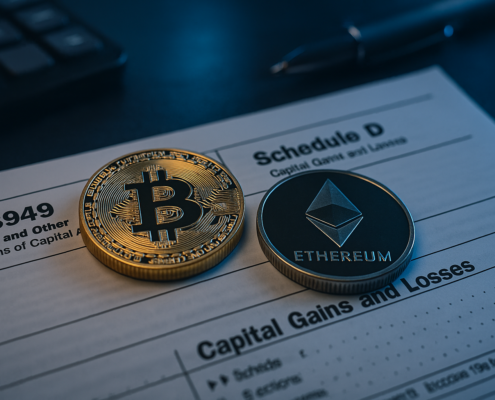 https://minutescrypto.com/wp-content/uploads/2025/11/ChatGPT-Image-Nov-24-2025-11_05_04-AM.png
1024
1536
Minutes Crypto
https://minutescrypto.com/wp-content/uploads/2026/05/logo-1-1030x548.png
Minutes Crypto2025-11-24 09:07:022025-11-26 12:14:13💰 Crypto Losses, Tax Gains: 2025 Edition
https://minutescrypto.com/wp-content/uploads/2025/11/ChatGPT-Image-Nov-24-2025-11_05_04-AM.png
1024
1536
Minutes Crypto
https://minutescrypto.com/wp-content/uploads/2026/05/logo-1-1030x548.png
Minutes Crypto2025-11-24 09:07:022025-11-26 12:14:13💰 Crypto Losses, Tax Gains: 2025 Edition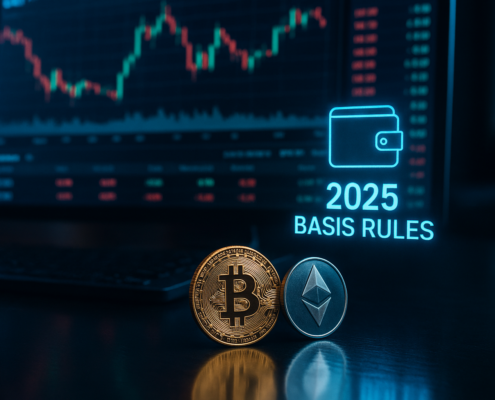 https://minutescrypto.com/wp-content/uploads/2025/11/ChatGPT-Image-Nov-21-2025-at-10_00_09-AM.png
1024
1536
Minutes Crypto
https://minutescrypto.com/wp-content/uploads/2026/05/logo-1-1030x548.png
Minutes Crypto2025-11-21 08:03:082025-11-26 12:17:03Crypto Loss Harvesting & 2025 Basis Rules — A Simple Guide
https://minutescrypto.com/wp-content/uploads/2025/11/ChatGPT-Image-Nov-21-2025-at-10_00_09-AM.png
1024
1536
Minutes Crypto
https://minutescrypto.com/wp-content/uploads/2026/05/logo-1-1030x548.png
Minutes Crypto2025-11-21 08:03:082025-11-26 12:17:03Crypto Loss Harvesting & 2025 Basis Rules — A Simple Guide https://minutescrypto.com/wp-content/uploads/2025/11/ChatGPT-Image-Nov-20-2025-at-04_48_22-PM.png
1024
1536
Minutes Crypto
https://minutescrypto.com/wp-content/uploads/2026/05/logo-1-1030x548.png
Minutes Crypto2025-11-20 14:51:372025-11-26 12:17:56DeFi Liquidity Taxes Explained
https://minutescrypto.com/wp-content/uploads/2025/11/ChatGPT-Image-Nov-20-2025-at-04_48_22-PM.png
1024
1536
Minutes Crypto
https://minutescrypto.com/wp-content/uploads/2026/05/logo-1-1030x548.png
Minutes Crypto2025-11-20 14:51:372025-11-26 12:17:56DeFi Liquidity Taxes Explained https://minutescrypto.com/wp-content/uploads/2025/11/ChatGPT-Image-Nov-17-2025-05_15_22-PM.png
1024
1536
Minutes Crypto
https://minutescrypto.com/wp-content/uploads/2026/05/logo-1-1030x548.png
Minutes Crypto2025-11-17 15:17:512025-11-26 12:18:22Navigating Bitcoin Taxes in 2025: Federal, NIIT, and State Rules Simplified
https://minutescrypto.com/wp-content/uploads/2025/11/ChatGPT-Image-Nov-17-2025-05_15_22-PM.png
1024
1536
Minutes Crypto
https://minutescrypto.com/wp-content/uploads/2026/05/logo-1-1030x548.png
Minutes Crypto2025-11-17 15:17:512025-11-26 12:18:22Navigating Bitcoin Taxes in 2025: Federal, NIIT, and State Rules Simplified https://minutescrypto.com/wp-content/uploads/2025/11/ChatGPT-Image-Nov-14-2025-09_45_10-AM.png
1024
1536
Minutes Crypto
https://minutescrypto.com/wp-content/uploads/2026/05/logo-1-1030x548.png
Minutes Crypto2025-11-14 07:53:342025-11-26 12:27:54How to Report Crypto Trading Like a Business
https://minutescrypto.com/wp-content/uploads/2025/11/ChatGPT-Image-Nov-14-2025-09_45_10-AM.png
1024
1536
Minutes Crypto
https://minutescrypto.com/wp-content/uploads/2026/05/logo-1-1030x548.png
Minutes Crypto2025-11-14 07:53:342025-11-26 12:27:54How to Report Crypto Trading Like a Business


Leave a Reply
Want to join the discussion?Feel free to contribute!